月份:11月
节日:Día de los Muertos
亡灵节以充满色彩与欢欣的方式缅怀逝去的亲人。人们会在家中精心搭建祭坛(Ofrendas),摆放万寿菊、亲人遗照、其生前喜爱的美食与遗物。公共空间里到处洋溢着节日装饰、音乐与游行队伍;游客可以亲眼目睹精致的骷髅面部彩绘、传统舞蹈,以及本土印第安信仰与基督教传统深厚融合的独特文化景象。
正在计划墨西哥旅行?
告诉我们您的出行想法,免费获取多家金牌地接社定制行程方案与透明报价对比。
已有 10k 位旅行者成功定制行程
必游景点、热门活动、精选地接社
墨西哥是一个充满鲜艳色彩、悠久历史和多样自然景观的国家,为不同类型的旅行者提供丰富而独特的旅行体验。从尤卡坦半岛上坎昆迷人的海滩和奇琴伊察壮观的玛雅遗迹,到现代与传统交融的墨西哥城,这里处处充满值得探索的精彩体验。墨西哥深厚的文化遗产体现在众多独特传统之中,例如举世闻名的亡灵节(Día de los Muertos),以及被联合国教科文组织列入非物质文化遗产名录的墨西哥美食。喜欢冒险的旅行者可以在图卢姆天然井(Cenotes)中潜水,在埃斯孔迪多港(Puerto Escondido)冲浪,或探索规模壮观、峡谷深度甚至超过大峡谷的铜峡谷(Copper Canyon)。艺术与历史爱好者则可以欣赏迭戈·里维拉的著名壁画,探索古老的特奥蒂瓦坎,以及漫步于瓦哈卡和瓜纳华托等充满殖民时期建筑魅力的城市。墨西哥独特的原住民文化与西班牙文化交融,形成了丰富多彩的文化景观,再加上壮丽的自然风光和热情好客的当地人,使其成为深受全球旅行者喜爱的目的地。
共 0 个主要景点
查看地图分布该目的地暂时还没有景点信息,敬请期待。
西班牙语(Spanish)是墨西哥最主要的语言,也是全国范围内最广泛使用的通用语言。墨西哥的语言文化非常多元,除西班牙语外,全国还拥有68种原住民族语言,包括纳瓦特尔语(Nahuatl)、玛雅语(Maya)和米斯特克语(Mixtec)等。这些语言主要在原住民族社区中使用,并受到官方认可,体现了墨西哥对本土文化和语言传统的重视。英语在旅游区、大城市和商业领域较为普及,许多旅游从业者以及年轻人能够使用英语交流,因此英语游客在主要旅游目的地通常沟通较为方便。法语、德语等其他外语在部分教育和旅游场景中也可能有所使用,但普及程度明显低于英语。西班牙语的广泛使用与原住民族语言的多样性并存,共同构成了墨西哥独特而丰富的语言文化。
墨西哥的最佳旅行时间取决于旅行目的、天气偏好以及计划前往的地区。总体而言,12月至次年4月是墨西哥的旅游旺季,全国大部分地区天气较为舒适,降雨较少,非常适合海滩度假、文化探索和户外活动。不过,这一时期游客数量较多,住宿和旅行费用也通常更高。如果希望避开人潮并享受更优惠的价格,可以考虑4月下旬至6月以及9月至11月,但部分地区可能天气更加炎热,沿海地区也可能进入雨季。此外,不同季节还可以体验独特的旅行活动,例如11月初的亡灵节(Día de los Muertos),以及12月至次年4月下加利福尼亚半岛的观鲸季。因此,选择墨西哥的旅行时间时,建议结合目的地的气候、季节特点以及个人兴趣,合理安排出行计划。
亡灵节以充满色彩与欢欣的方式缅怀逝去的亲人。人们会在家中精心搭建祭坛(Ofrendas),摆放万寿菊、亲人遗照、其生前喜爱的美食与遗物。公共空间里到处洋溢着节日装饰、音乐与游行队伍;游客可以亲眼目睹精致的骷髅面部彩绘、传统舞蹈,以及本土印第安信仰与基督教传统深厚融合的独特文化景象。
五月五日节旨在纪念 1862 年墨西哥军队在普埃布拉战役中击败法国侵略军的伟大胜利。虽然在墨西哥本土这属于相对较小的节日(主要集中在普埃布拉州以阅兵和战争重演的形式进行),但在全球范围内,它已发展为弘扬墨西哥文化与历史遗产的代表性庆典,伴随着丰富的传统美食、欢快的音乐与热情奔放的舞蹈。
作为展示印第安本土文化、舞蹈与音乐的盛大庆典,盖拉盖扎节汇集了一系列游行、演出和手工艺市集,充分展现了瓦哈卡(Oaxaca)地区原住民社区的多样魅力。节日的重头戏是精彩纷呈的公开演出,各个不同族群相聚一堂,热情分享并演绎各自世代相传的传统舞蹈与独特音乐。
作为墨西哥最重要的国家节日,墨西哥独立日旨在纪念 1810 年该国摆脱西班牙统治的历史性独立事件。庆祝活动于 9 月 15 日夜晚拉开序幕,人们会重演标志性的“多洛雷斯呼声”(Grito de Dolores),随后伴有绚丽的烟花、狂欢派对、特色美食与热情音乐。城镇各处均以国旗及三色饰品装点一新,为游客呈献一场爱国情怀浓郁的壮观盛景。
作为拉丁美洲规模最大、最重要的艺术节之一,该盛会以《堂吉诃德》作者米格尔·德·塞万提斯的名字命名,汇聚了来自世界各地的音乐、歌剧、戏剧、舞蹈及视觉艺术杰作。游客得以置身于墨西哥最美丽的殖民风格古城之中,沉浸式体验一场跨越国界与时空的顶级文化艺术饕餮盛宴。
作为墨西哥传统的圣诞节前夕巡游活动,波萨达斯巡游节重演了玛利亚与约瑟夫在伯利恒寻找落脚之处的圣经故事。参与者唱着赞美诗穿街过巷、拜访各家各户,并受到热情接纳与餐饮款待。整个活动伴随着打彩罐(Piñata)、欢乐派对与特色传统美食,为游客提供了深入了解墨西哥圣诞期间家庭亲情与社区凝聚力的绝佳视角。
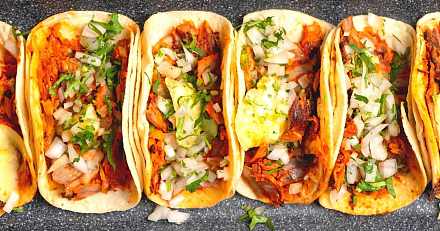
作为最具代表性的墨西哥国菜,塔可饼由手掌大小的玉米或小麦饼皮包裹各式馅料而成,常见的有牛肉、猪肉、鸡肉、海鲜、豆类、蔬菜及奶酪。享用时常搭配萨尔萨辣酱、香菜、洋葱碎与青檬汁。塔可饼完美融合了原住民文化与西班牙殖民时期的饮食特色,是墨西哥街头美食文化中不可或缺的灵魂所在。
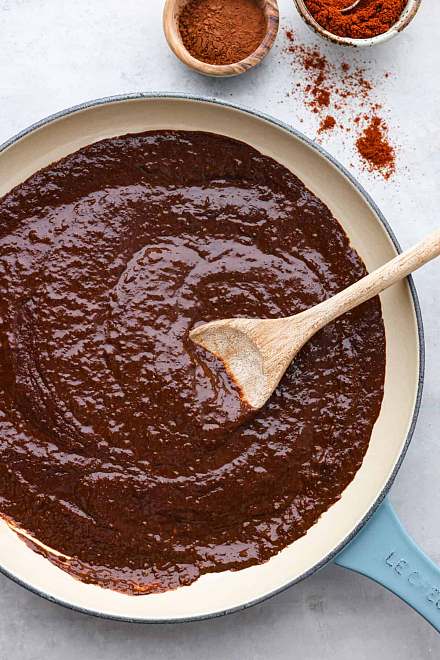
由多种辣椒、香料、坚果及黑巧克力等数十种食材精心调制而成的浓郁复合酱汁,通常淋于鸡肉等肉类上享用。墨西哥各地均衍生出了独具特色的莫雷酱,其中以普埃布拉(Puebla)和瓦哈卡(Oaxaca)版本最为闻名。作为一道专为节庆活动与重要场合准备的盛宴佳肴,莫雷酱深刻体现了墨西哥多元文化与多元饮食传统融会贯通的精髓。
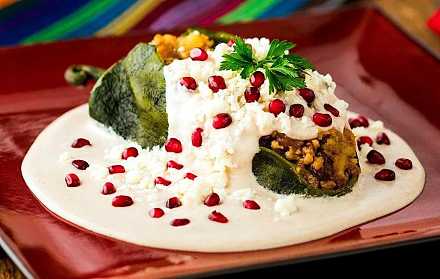
这是一道极具爱国色彩的墨西哥经典名菜。将波布拉诺大辣椒(Poblano)酿入由肉类、水果和香料调制而成的肉馅(Picadillo),淋上浓郁淋漓的核桃奶油酱,再撒上鲜红的石榴籽点缀。绿色的辣椒、白色的酱汁与红色的石榴籽巧妙呼应了墨西哥国旗的三色,传统上多在八月和九月独立日庆祝活动期间盛大登场。
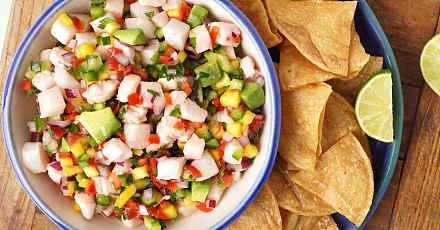
作为深受沿海地区喜爱的招牌美食,Ceviche 将新鲜生鱼片置于以青檬汁为主的柑橘汁中渍熟,并加入辣椒提味,通常搭配洋葱、香菜与番茄丁点缀。这道佳肴完美呈现了墨西哥漫长海岸线的丰富海鲜资源,也生动印证了当地善于将日常食材升华为绝妙美味的精湛烹饪智慧。
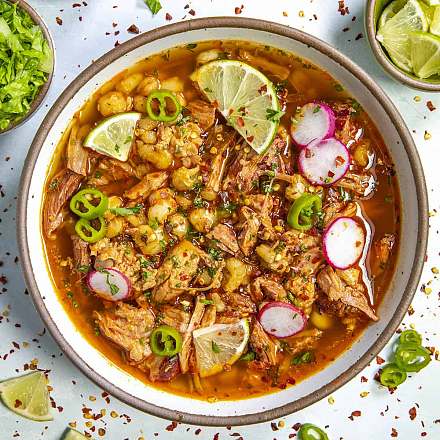
作为一道历史悠久的丰盛浓汤,Pozole 以碱化大玉米粒(Hominy)和肉类(通常为猪肉、鸡肉或火鸡肉)慢炖而成,享用时常佐以生菜丝、红萝卜片、洋葱碎、青檬汁与辣椒等调味点缀。这道蕴含前哥伦布时期远古根基的佳肴,传统上多在特别节庆与盛大聚会中享用,深刻象征着本土印第安信仰与殖民文化深度交融的独特历史印记。
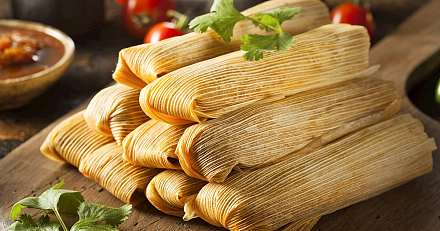
作为一种源于数千年前中美洲远古文明的传统美食,Tamales 将特制玉米面团(Masa)酿入肉类、奶酪、水果或蔬菜等各式馅料,用玉米苞叶或芭蕉叶包裹后蒸熟而成。这道跨越千年的佳肴不仅是日常美味,更是亡灵节(Day of the Dead)和圣诞节等重大节庆聚会中不可或缺的灵魂象征。
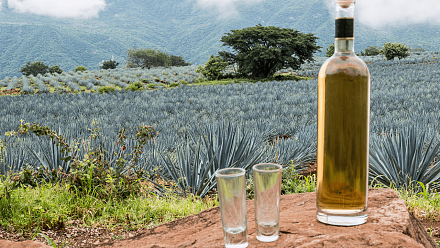
作为以蓝龙舌兰草(Blue Agave)为原料蒸馏而成的烈酒,Tequila 主要产自哈利斯科州(Jalisco)特基拉镇及其周边地区。作为墨西哥的“国酒”,龙舌兰酒不仅是墨西哥国家身份与独特文化的重要载体,更在世界烈酒舞台上享誉盛名。
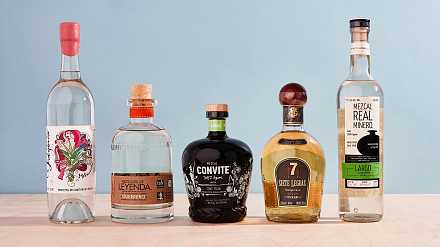
与龙舌兰酒(Tequila)类似,梅斯卡尔酒也是一种龙舌兰蒸馏酒,但它可以采用任何品种的龙舌兰制成。其标志性的烟熏风味源自将龙舌兰心(Pña)置于地下石坑炉中慢火烘烤的古法传统。梅斯卡尔酒的文化价值在于其纯手工的匠人制作技艺,以及深植于瓦哈卡(Oaxaca)地方传统中的文化根脉。

作为一道清凉解渴的甘甜饮品,Horchata 由大米、杏仁或油莎草块茎研磨成浆,加入水、肉桂与白糖调制而成。欧查塔最早源自摩尔人文化,传入后已深植于墨西哥的日常饮食之中,生动体现了墨西哥文化善于包容、融合与本土化吸收外来饮食影响的独特魅力。
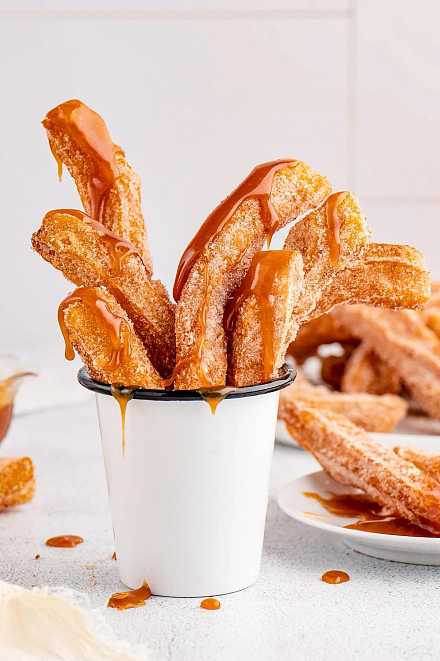
作为一种深受人们喜爱的经典小吃,Churros 由油炸面团制成,外层裹满了白糖与肉桂粉,通常搭配浓郁的巧克力沾酱食用。Churros 深刻见证了西班牙饮食文化对墨西哥的悠久影响,如今已演变为遍布墨西哥街头巷尾、广受欢迎的传统甜品。
前往墨西哥旅行时,建议根据不同地区的气候和旅行活动准备灵活多样的行李。沿海及低海拔地区天气温暖,适合携带轻便、透气的衣物,如T恤、短裤和连衣裙,同时准备宽檐帽和太阳镜用于防晒。前往墨西哥城及中部高地等海拔较高的地区时,早晚可能较为凉爽,建议带上一件薄外套或毛衣。探索古代遗迹和殖民时期城镇时,一双舒适的步行鞋必不可少,海滩旅行则可以准备凉鞋或人字拖。前往海滩和泳池时别忘了携带泳衣。此外,建议准备可重复使用的水瓶、防晒霜和防蚊用品,以便及时补充水分并防范阳光和蚊虫。雨季(6月至10月)出行时,建议携带轻便防水外套或雨披以及折叠伞,应对突发阵雨。日常观光和短途旅行可以准备一个轻便背包,同时使用安全的斜挎包或贴身腰包存放护照、现金等贵重物品,让出行更加安全方便。
墨西哥的官方货币是墨西哥比索(Mexican Peso,MXN),通常以$表示。当地流通的硬币包括10、20和50分(centavos),以及1、2、5、10和20比索;纸币面额则包括20、50、100、200、500和1,000比索。ATM在各大城市和热门旅游地区较为普遍,游客可以使用国际借记卡或信用卡提取墨西哥比索。在城市和主要旅游目的地,大多数商户都接受主流信用卡,但购买小额商品或前往偏远地区时,建议随身准备一些现金。兑换货币时,通常建议选择银行、正规授权兑换机构或直接通过ATM取现,这些方式的汇率通常比机场和酒店更加优惠。出行前也建议提前确认银行卡的境外取现及交易手续费,以便合理安排支付方式。
墨西哥的交通基础设施较为完善,能够满足国际游客和国内旅行者的出行需求。全国拥有多个国际机场,其中规模较大、航班较为繁忙的包括墨西哥城国际机场(贝尼托·胡亚雷斯国际机场)、坎昆国际机场和瓜达拉哈拉国际机场,连接全球多个主要城市。境内长途出行可以选择长途巴士、国内航班、出租车和网约车等多种方式。长途巴士线路覆盖广泛,连接主要城市和热门旅游目的地,服务相对舒适,长途旅行推荐选择一等巴士,通常设施更加完善。国内航班则适合跨越较远距离,可快速连接主要城市和旅游目的地。城市及热门旅游地区普遍可以使用出租车和Uber等网约车服务,出行较为方便;部分旅游地区还可以体验Colectivos(合乘小巴)和Peseros(小型公交车)等当地特色交通。由于旺季期间机票和长途巴士票可能较为紧张,建议提前规划并预订交通,乘坐公共交通或前往人流密集的旅游区域时,也应注意保管好个人物品。
前往墨西哥旅行时,应注意当地的文化习俗和社交礼仪,以避免产生不必要的误解。与当地人交流时,建议谨慎谈论政治、宗教、非法毒品和移民等敏感话题,因为这些议题可能具有争议性。墨西哥人在日常社交场合对时间的要求相对宽松,因此与当地人约会或参加社交活动时,保持耐心会更加合适。在手势方面,竖大拇指通常表示积极或认可,但应避免使用“OK”手势,因为在部分语境下可能被视为冒犯。墨西哥人普遍重视家庭和宗教价值观,谈论相关话题时应保持尊重和敏感,注意不同地区及个人之间的文化差异。 In case of emergency, travelers can dial the universal emergency number in Mexico, 911, which is the same as in the United States and Canada. This number can be used to access immediate assistance for police, medical, and fire services. It's advisable to have this number saved on your mobile device and to know the address or the name of your location to expedite the help process.
墨西哥的标准电压为127V,频率为60Hz,与北美地区常见的电力标准基本一致。当地主要使用两种类型的电源插座:A型和B型。A型插座采用两个平行的扁平插脚,不带接地插脚;B型插座则在两个扁平插脚之外增加了一个接地插脚。出行前建议确认随身电子设备是否支持127V电压,并根据需要准备合适的转换插头。
该目的地暂时还没有行程推荐,敬请期待。
该目的地暂未入驻合作地接社,敬请期待。