月份:2月
节日:Carnival
巴西狂欢节是巴西最著名且最令人期待的节日,尤其在里约热内卢、萨尔瓦多、 Recife(雷西菲)和 Olinda(奥林达)等地,人们以无比高涨的热情欢庆这一盛事。这是一场极其华丽的盛宴,拥有震撼的游行表演、身着华丽服饰的桑巴舞者、精美的花车和律动十足的音乐。欢快的音乐、舞蹈与街头派对响彻大街小巷,让人沉浸式体验巴西的独特文化与快乐精神。游客们不仅能在桑巴大道上观赏顶尖桑巴学校的精彩巡游,还能加入街头派对(blocos),亲身体验弥漫全城的炽热狂欢氛围。
正在计划巴西旅行?
告诉我们您的出行想法,免费获取多家金牌地接社定制行程方案与透明报价对比。
已有 10k 位旅行者成功定制行程
必游景点、热门活动、精选地接社
巴西是一片文化多元、自然景观壮丽的热情国度,为旅行者带来丰富而独特的旅行体验。从里约热内卢狂欢节充满活力的音乐与舞蹈,到亚马逊雨林和伊瓜苏瀑布令人震撼的自然奇观,巴西拥有众多值得探索的精彩目的地。游客可以欣赏标志性的救世基督像,漫步于萨尔瓦多充满历史韵味的街道,也可以前往弗洛里亚诺波利斯和杰里科科拉的阳光海滩享受悠闲时光。丰富的历史文化遗产、充满活力的音乐与舞蹈传统,以及热情友好的当地人,共同构成了巴西独特的旅行魅力,为游客带来充满冒险、探索与文化体验的难忘旅程。
共 0 个主要景点
查看地图分布该目的地暂时还没有景点信息,敬请期待。
葡萄牙语(Portuguese)是巴西最主要的语言,也是全国范围内最广泛使用的通用语言。巴西是南美洲面积最大的国家,也是美洲唯一以葡萄牙语为官方语言的国家,这一独特的语言背景源于其长期的葡萄牙殖民历史。经过数百年的发展,巴西葡萄牙语不断吸收原住民、非洲以及其他欧洲语言的词汇和表达,逐渐形成了具有鲜明地域特色的方言、口音和语言习惯。虽然葡萄牙语是全国主要的交流语言,但巴西的语言文化依然十分多元,尤其是在亚马逊等偏远地区,许多原住民族语言至今仍由当地社区使用,共同构成了巴西丰富的语言文化景观。
巴西的最佳旅行时间因目的地而异,这主要是由于国土面积广阔、气候类型多样。总体而言,9月至12月(巴西春季至初夏)是较为理想的旅行时期,此时天气舒适,自然景观也正值最佳状态,尤其适合前往亚马逊雨林和潘塔纳尔湿地等地区。这个时期还能避开狂欢节期间的大量游客(通常在2月底或3月初),以及盛夏(12月至2月)的高温天气。如果计划享受巴西著名的海滩,春末至初夏通常阳光充足、空气湿度相对较低,适合海滨度假。对于计划前往巴西南部的游客,6月至9月气温相对凉爽温和,适合探索圣保罗、里约热内卢等城市。由于巴西不同地区的气候和节庆活动差异较大,制定行程时建议结合具体目的地的天气特点和当地活动合理安排旅行时间。
巴西狂欢节是巴西最著名且最令人期待的节日,尤其在里约热内卢、萨尔瓦多、 Recife(雷西菲)和 Olinda(奥林达)等地,人们以无比高涨的热情欢庆这一盛事。这是一场极其华丽的盛宴,拥有震撼的游行表演、身着华丽服饰的桑巴舞者、精美的花车和律动十足的音乐。欢快的音乐、舞蹈与街头派对响彻大街小巷,让人沉浸式体验巴西的独特文化与快乐精神。游客们不仅能在桑巴大道上观赏顶尖桑巴学校的精彩巡游,还能加入街头派对(blocos),亲身体验弥漫全城的炽热狂欢氛围。
六月节是巴西用以致敬圣安东尼、圣约翰和圣彼得的传统节日。节期间充满了五彩斑斓的传统服饰、Quadrilha 舞蹈(一种巴西方块舞)以及热闹的户外集市。人们会用模仿农场风光的装饰来庆祝乡村生活,并品尝各式当地美食,如玉米制成的佳肴、糕点和热红酒(mulled wine)。这一节日在中国东北部地区尤为热闹,但其庆祝活动遍及全国,让游客能够深切体会到巴西丰富的文化多样性与浓厚的社群精神。
圣周是巴西为了重现当地盛行的基督教传统而举行的严肃巡游与仪式活动。最著名的庆祝活动位于米纳斯吉拉斯州的欧鲁普雷托(Ouro Preto),届时街道上会铺满由彩色木屑拼成的精致图案,并伴有再现圣经场景的盛大游行。这是一个沉思与精神更新的时刻,为游客提供了体验巴西深厚宗教传统与群体凝聚力的绝佳机会。
帕林廷斯民俗节是在亚马逊河畔的帕林廷斯岛上举办的一项充满活力的民间传统盛会。该节日集中展示了著名的 Boi-Bumbá(笨牛传奇)民俗故事,由 Caprichoso(蓝色代表队)和 Garantido(红色代表队)两支队伍在涵盖音乐、舞蹈与华丽服饰的一系列演出中展开竞技。这是游客亲眼见证亚马逊丰富文化织锦(包括当地原住民与本土传统)的独特机会,能在一场热烈且色彩斑斓的比赛中感受浓郁的民俗风情。
Réveillon 是巴西的除夕跨年盛会,其中最著名的庆祝地点当属里约热内卢的科帕卡巴纳海滩(Copacabana Beach)。这一盛事融合了宗教、传统与民间信仰——数以百万计的人们身着白衣汇聚一堂以求好运,并在非裔巴西人的传统中向海神叶曼亚(Yemanjá)献上鲜花与蜡烛。整个夜晚充斥着璀璨的烟花、现场音乐演唱会和狂欢派对。游客可以在此体验一场独特且富有精神仪式感的新年过渡,在惊艳的烟火秀与象征新生与希望的集体能量中迎接收获与展望。
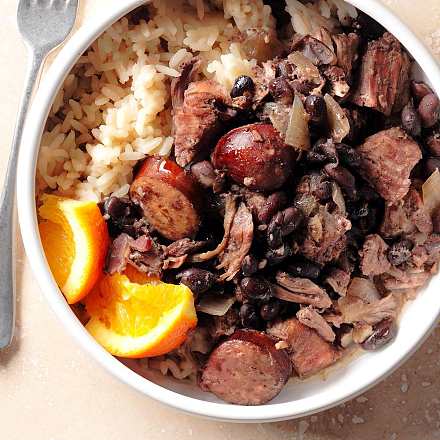
Feijoada 是巴西丰盛的国菜,这是一道由黑豆与各种咸猪肉或牛肉部位一同慢炖而成的浓郁炖菜,通常搭配米饭、羽衣甘蓝、橙子片以及 farofa(香炒木薯粉)一同食用。
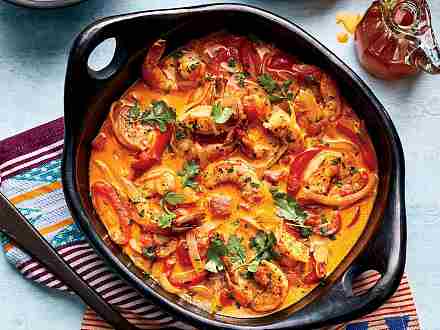
Moqueca 是巴西一道香气四溢的特色海鲜炖菜,将鱼肉或虾仁与番茄、洋葱、大蒜及香菜一同放入椰奶和 dendê(棕榈油)中慢火炖煮而成。

Coxinha 是备受喜爱的巴西特色小吃,由调味调好的手撕鸡肉裹入面团中,捏成鸡腿形状,随后裹上面包屑炸至金黄酥脆。

Caipirinha 是巴西的国酒级鸡尾酒,由 cachaça(甘蔗蒸馏烈酒)、白糖与青柠调制而成,口感清爽且酒劲强劲,展现出浓郁的巴西风情。
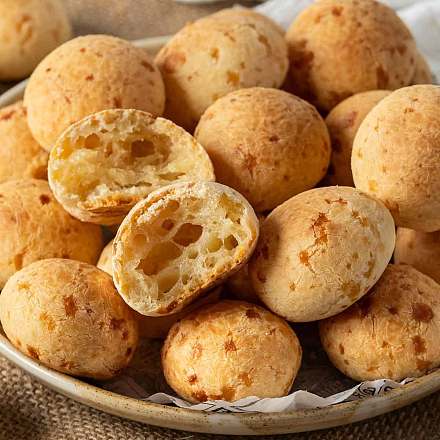
Pão de queijo 是备受欢迎的巴西特色芝士面包,外形小巧呈圆形,质地软糯,主要由木薯粉与米纳斯芝士(Minas cheese)烘焙而成。
前往巴西旅行时,建议根据当地多样的气候和旅行活动合理准备行李。热带地区适合携带轻便、透气的衣物,探索城市和自然景点时则需要一双舒适耐穿的步行鞋。如果计划前往海滩,应准备泳衣,以及宽檐帽、太阳镜和防晒霜等防晒用品。防蚊用品也非常重要,尤其是前往蚊虫较多、存在寨卡病毒等蚊媒疾病风险的地区。探索亚马逊雨林时,建议准备轻便的长袖衣物、防滑耐穿的鞋子以及防水外套,以应对潮湿多雨的环境。此外,携带旅行转换插头和便携式充电宝,方便在旅途中为电子设备充电并保持通讯畅通。
巴西的官方货币是巴西雷亚尔(Brazilian Real,BRL),货币符号为R$,包括硬币和纸币。硬币面额有5、10、25、50分(centavos)以及1雷亚尔,纸币面额包括2、5、10、20、50、100和200雷亚尔。ATM在巴西各地较为普遍,尤其集中在城市、银行、购物中心和机场,通常提供多种语言选项,方便国际游客使用。出行前建议提前告知银行旅行计划,以避免境外交易被系统误判为异常交易。Visa和Mastercard等信用卡和借记卡在酒店、餐厅和商店中普遍可以使用,但前往小型商户或偏远地区时,建议随身准备一些现金。此外,使用ATM取现时应注意单笔及每日取现限额,并提前了解银行或发卡机构可能收取的境外交易手续费。
巴西拥有覆盖广泛的交通网络,能够满足国际游客和国内旅行者的出行需求。主要国际航空门户包括圣保罗瓜鲁柳斯国际机场(GRU)、里约热内卢加利昂国际机场(GIG)和巴西利亚国际机场(BSB),连接全球多个主要城市。由于国土面积广阔,国内航班是跨越较远距离的便捷选择,LATAM、GOL和Azul等航空公司运营众多国内航线。中短途旅行则可以选择覆盖广泛的长途巴士,价格相对经济,线路连接主要城市及许多乡村地区。虽然火车并非巴西的主要交通方式,但部分地区提供风景优美的观光铁路线路。城市内部出行可以选择地铁和公交车,其中圣保罗和里约热内卢拥有较为完善的公共交通系统。前往偏远地区时,租车能够提供更大的灵活性,但需要提前了解当地驾驶习惯、道路状况和交通规则。乘坐出租车或使用Uber等网约车服务时,建议出发前确认费用或行驶路线。由于巴西不同地区的交通条件差异较大,建议提前规划行程,参考当地出行建议,并始终注意人身和财物安全,尤其是在繁忙或不熟悉的区域。
前往巴西旅行时,应注意当地的文化习俗和社交礼仪,以确保旅途愉快并避免产生误解。其中需要特别注意的是,“OK”手势在巴西部分语境下可能被视为冒犯,与许多西方国家中表示“很好”的含义不同。此外,在日常交流中,政治、宗教和个人收入等话题可能较为敏感,建议谨慎谈论或尽量避免。也应避免对巴西进行负面评价,或将巴西与其他国家进行贬低性的比较,因为这可能被认为是不尊重当地文化和民族自豪感的表现。
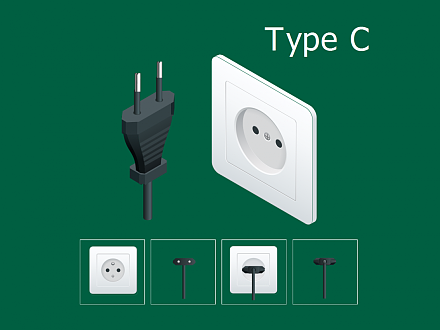
巴西的标准电压为127/220V,频率为60Hz,但不同地区的电压可能在110V至220V之间有所差异。因此,旅行者出发前应确认具体目的地的电压标准,以确保电子设备能够正常使用。巴西主要使用两种类型的电源插座:N型和C型,其中N型插座采用三个插脚,是当地最常见的插座类型;C型插座则采用两个圆形插脚。建议根据行程目的地准备合适的旅行转换插头,并提前确认设备是否支持当地电压。
该目的地暂时还没有行程推荐,敬请期待。
该目的地暂未入驻合作地接社,敬请期待。